Odisha Releases Rs 14.34 Cr Under Gyanodaya Scheme; Free KG to PG
by Vinay Kakkad · KalingaTVAdvertisement
BHUBANESWAR — Direct financial allocations to Odisha’s public higher education institutions under the state’s universal fee-waiver initiative reached Rs 23.90 crore this week, as authorities remitted a second disbursement worth Rs 14.34 crore for the 2026–27 academic calendar.
The latest payout, processed via the Student Academic Management System (SAMS) by the Higher Education Department on Wednesday, September 23, 2026, constitutes 15 percent of the sanctioned institutional compensation under ‘Gyanodaya – Shiksha Ru Samruddhi’. It builds on an earlier initial release of Rs 9.56 crore, or 10 percent of the allocation, which was disbursed following the completion of Phase-I undergraduate enrollments.
The remaining 75 percent balance will be settled across three identical tranches of 25 percent each as the academic cycle progresses.
Advertisement
Administrative officials noted that this phased payout structure is intentionally linked to procedural milestones. Each upcoming distribution will be cleared only after beneficiary colleges verify student admissions, document classroom attendance records, and meet baseline administrative compliance guidelines.
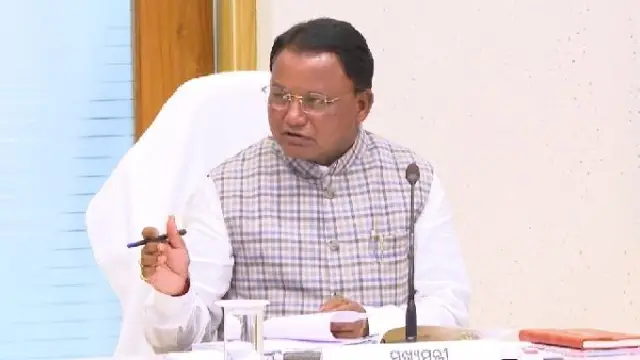
Following the Cabinet’s clearance in July, Chief Minister Mohan Charan Majhi stated that the initiative is structured to assist more than 32 lakh students each year.
Under Gyanodaya—translated as prosperity through education—the state government broadened its existing kindergarten-to-Class VIII fee exemptions to encompass secondary and higher secondary education (Classes IX to XII), as well as conventional undergraduate and postgraduate degree tracks. Beneficiary institutions include state-run campuses, government-aided colleges, and public state universities that admit qualifying students.
Exclusions remain firmly in place across specialized and commercial educational streams. The fiscal protections under Gyanodaya do not extend to professional or technical curricula, nor do they apply to self-financing courses or programs operating through unaided private institutions and public-private partnership (PPP) structures.
Advertisement