How a studio created an "impossible" animated symphony using Autodesk's AI-driven mocap tech
by https://www.creativebloq.com/author/joseph-foley · Creative Bloq
Share this article
0
Join the conversation
Follow us
Add us as a preferred source on Google
Newsletter
Subscribe to our newsletter
Daughter of the Inner Stars is a 50-minute animated orchestral film experience whose scope evolved massively during the production process. Conceived as a way to introduce kids to symphony music, it blends live narration and orchestral performance with original animation. It's also a powerful demonstration of how new AI-driven technology can expand creative possibilities, allowing smaller teams to explore animation in a way that maintains an analogue soul.
With handmade assets, traditional storyboarding and live performers, the film's creators turned to Autodesk Flow Studio's AI-powered motion capture workflow to transform reference footage into customisable 3D character animation. That move allowed them to create a production that they never imagined could be possible when they first embarked on the project.
How Inferstudio Turned the Impossible into an Animated Film with Autodesk Flow Studio - YouTube
Daughter of the Inner Stars premiered with the Sydney Symphony Orchestra at the Sydney Opera House in 2024 and made its North American debut with the Vancouver Symphony Orchestra in 2025. It follows a young girl called Fia. Searching for her lost father amid a cosmic war, she encounters ancient spirits forgotten by her culture and deeper truths about folklore, animism, grief and kinship.
The film was conceived by composer Nicholas Buc, writer and director James Vinson and producer Melanie Hiluta. It was originally going to be something like a picture book brought to a concert stage. Fia and a cast of fantastical characters developed by Ukraine-based Tubik Studio were going to be shown as static 2D imagery while the live narrator guided audiences through the story and voiced the characters.
However, the vision became more ambitious when production designer Nathan Su, the architect founder of Inferstudio, was brought on board. He began exploring how Tubik Studio’s illustrations could be translated into 3D.
You may like
Autodesk tackles AI filmmaking's biggest problem by offering 3D control
"We can cut production costs by 95%": the AI tech taking on Hollywood
Autodesk's own AI film has a continuity error nobody could prompt away
Image 1 of 3
Image 1 of 3
View Original
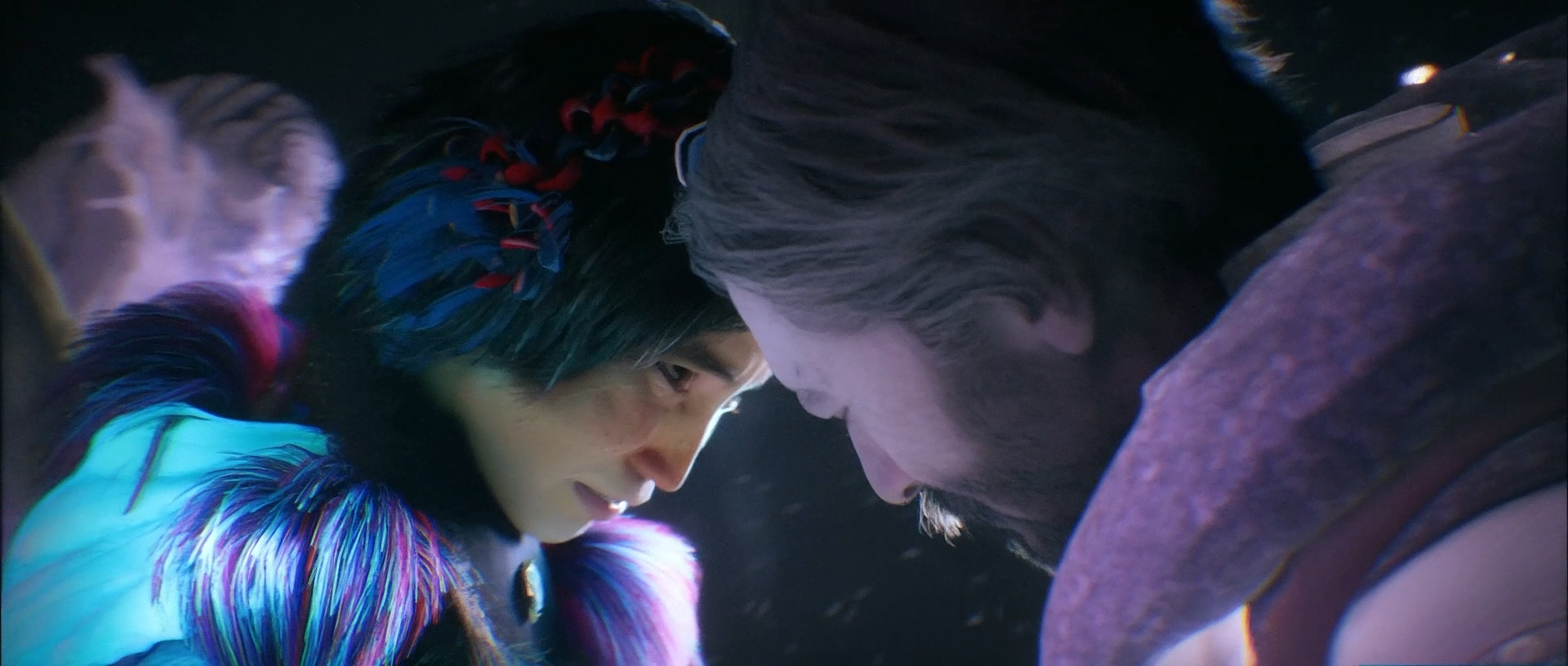
Image 2 of 3
View Original

Image 3 of 3
View Original
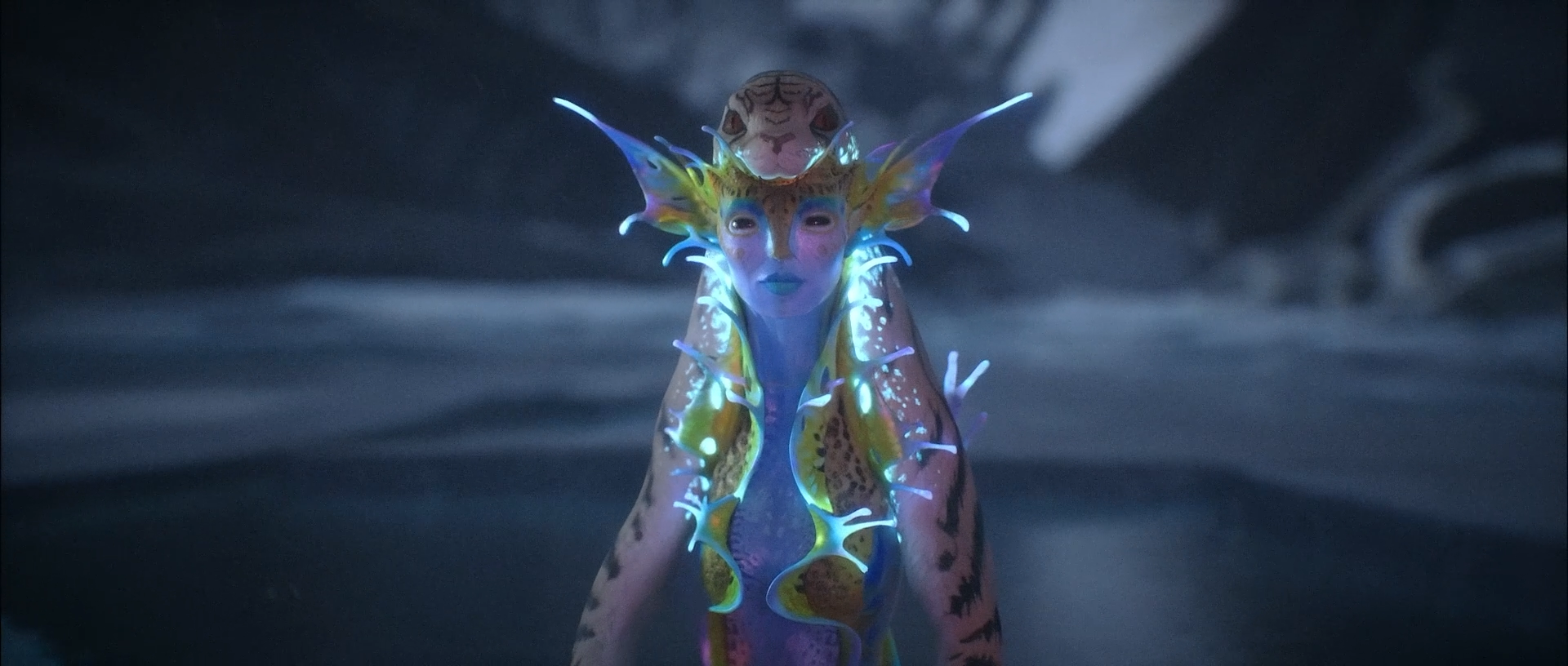
Character artist Ludvig Holmen sculpted the characters as full 3D meshes, and early tests helped the team understand which qualities from the original illustrations carried over successfully, and which elements needed to be reinterpreted for the new format.
But another leap in the project's ambitions occurred just 18 months before the scheduled premiere in Sydney. Autodesk'sFlow Studio and the Unreal Engine MetaHuman Animator emerged as technologies that could potentially allow movement to be added to the project.
Want to explore the world of digital art?
Our digital art newsletter is your go-to source for the latest news, trends, and inspiration from the worlds of art, illustration, 3D modelling, game design, animation, and beyond.
Contact me with news and offers from other Future brandsReceive email from us on behalf of our trusted partners or sponsors
Flow Studio provides a web-based workflow for turning live-action performances into 3D character animation in a simple and intuitive way, without the need for a suit. Users can upload video footage alongside a custom 3D character, and then use AI-assisted motion capture to translate the performer’s movements onto the character, preview the result within the original live-action scene, and export the motion-capture data for refinement.
In an early test in 2023, Holmen performed a simple range-of-motion study that the team captured on a phone. They uploaded the footage into Flow Studio to see if the resulting character animation might be usable. Fia didn't yet have her final face or hair, but in that rough form, Flow Studio was still able to composite the character back into the scene and translate Holmen’s performance into her movements with surprising accuracy. That offered the first real indication that fully animated sequences might be within reach.
Suddenly, the vision for the project had gone from static 2D images to 3D, to a fully animated film. The team brought performers into the process, while the transition also put Animation Technical Director Nour Hassoun in a central role. He worked with the motion-capture data generated through Flow Studio, interpreting and refining it to help shape the quality and character of the final animation.
What to read next
Autodesk says AI should give artists time to experiment, not make them work twice as fast
This indie dev found a use for AI but says the project was still firmly human led
Autodesk’s SIGGRAPH announcements look unrelated, but they all solve the same huge problem
Meanwhile, the team tested facial animation in Unreal Engine and MetaHuman Animator, exploring how these could be combined with Flow Studio’s body-tracking workflow. They also tested different render styles, frame rates, and texturing techniques to see how the animation could be shaped to fit the intended storybook-inspired aesthetic.
The team estimates that Flow Studio reduce animation times by 80%, but it also helped redefine the project's focus. Thinking about the shoot in practical, performance-driven terms helped the team hone in on the details that mattered most and on the emotion of the story. The use of real performances also kept the production grounded in an analogue approach.
“I delivered scripts. I delivered storyboards, which were all hand-drawn and painstakingly put together,” Vinson says. “I think there were about 200 boards or something like that, maybe more. And critically, I provided directorial guidance over all major aspects of the creative department. So, music, visual effects, environments, cinematography, and motion capture performance, where a lot of my experience working with real actors of flesh and blood became surprisingly relevant.”
Instead of technical perfection, the team focused on what would create the strongest emotional impact. That approach helped clarify the project’s creative priorities and define what the team wanted to achieve.
You can learn more about Flow Studio on the Autodesk site.