Odisha, Chhattisgarh, and Jharkhand See India’s Worst Minimum Wage Gap: SBI Report
by Vinay Kakkad · KalingaTVAdvertisement
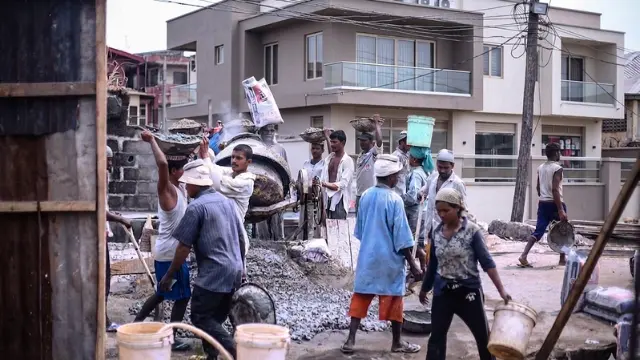
The State Bank of India (SBI) recently published a report based on the Periodic Labour Force Survey (PLFS) 2025 data, and, the numbers are unsettling. It points to a serious crisis: millions of workers across India aren’t getting paid what the law says they should. There’s a clear “minimum wage disparity”—which simply means a huge gap between the government’s mandated pay and what people actually take home. The report found that about a quarter of India’s casual workforce is getting paid less than the minimum wage. That tells you enforcement of labor laws at the ground level is just not working.
The problem is worst in the east. Chhattisgarh, Odisha, and Jharkhand are at the top of the list. In Chhattisgarh, an unbelievable 70% of casual workers make less than the legal minimum. Odisha and Jharkhand aren’t far behind, with 66% and 65%, respectively. Basically, most casual laborers in these states work without any real financial protection from the government, leaving them wide open to exploitation.
Advertisement
It’s not just an issue in the east, though. Punjab’s numbers are tough too, with nearly 37% of casual workers underpaid. Industrial states like Maharashtra and West Bengal aren’t doing much better—about one in three casual workers there earn less than the minimum wage. So even in places where industry is booming, state governments still struggle to enforce labor laws.
On the brighter side, southern states are maintaing good stats. Telangana’s violation rate is almost nonexistent—just 0.36%. Tamil Nadu is also doing well, at 4.58%. Andhra Pradesh stands out completely, with zero violations among casual workers. The SBI report makes it clear: states have to get serious about enforcing the Minimum Wages Act to level the playing field.
There’s another angle to this crisis: gender disparity. Although women make up only 25% of the casual workforce, they account for a whopping 45% of those who are underpaid. Men, who are 75% of the workforce, represent 55% of the underpaid group. That means women in these jobs are far more likely to suffer wage violations. They’re taking the hardest hit when labor laws aren’t enforced.
Advertisement