After Lok Sabha nod, Registration of Births and Deaths (Amendment) Bill moved in Upper House
by KalingaTV Bureau · KalingaTVAdvertisement
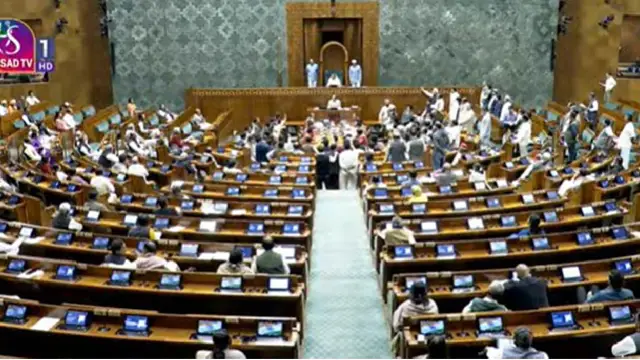
New Delhi: The Registration of Births and Deaths (Amendment) Bill, 2026, was moved for debate and passing in the Rajya Sabha on Tuesday, after the proposed legislation was passed in the Lok Sabha on July 31.
The Bill was tabled by Union Minister of State for Home Affairs, Nityanand Rai amid sloganeering by Opposition MPs.
The Bill aims to make provisions of delayed registration more stringent and encourage timely reporting of events of birth and death.
As per the amendments to the 1969 Act, which was earlier amended in 2023, birth or death of which delayed information is given to the Registrar after one year but within two years of its occurrence, will have to be registered only on an order made by a District Magistrate or Sub-Divisional Magistrate or by an Executive Magistrate authorised by the District Magistrate, after verifying the correctness of the birth or death.
In case of delayed information given to the Registrar after two years of its occurrence, such births and deaths will only be registered on an order made by a Judicial Magistrate of the first class, after verifying the correctness of the information.
The Bill was passed in the Lok Sabha on July 31 by voice vote amid protest and sloganeering by the opposition.
Advertisement
Earlier today, the Upper House witnessed two adjournments amid protests from Opposition parties against Home Minister Amit Shah.
Congress President and Leader of Opposition in Rajya Sabha Mallikarjun Kharge demanded that the government make a statement on the alleged theft of donations received at Ram Mandir in Ayodhya and police action on students during the CJP-led protests.
Meanwhile, the Appropriation (No.3) Bill, 2026 was passed in the Lok Sabha and the House was adjourned till 11 am on August 5.
The Bill provides for the authorisation of appropriation of moneys out of the Consolidated Fund of India to meet the amounts spent on certain services during the financial year ended on March 31, 2023, in excess of the amounts granted for those services and for that year.
(Source: ANI)
Also Read: Madras High Court orders Udhayanidhi Stalin’s immediate release after questioning
Advertisement