US-Iran negotiations suffering “mistrust”: Iranian FM Araghchi pivots to China, as Pakistan mediation hits “difficult course”
by KalingaTV Bureau · KalingaTVAdvertisement
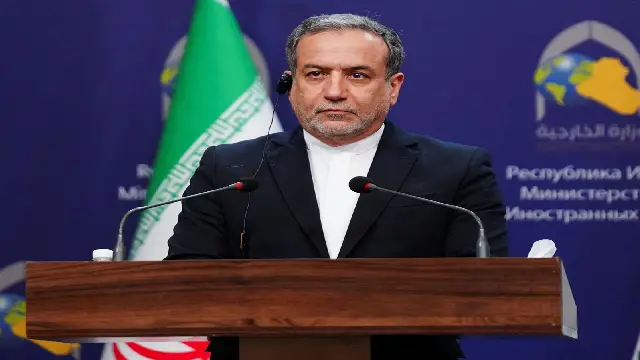
New Delhi : Highlighting the precarious state of regional diplomacy, Iranian Foreign Minister Abbas Araghchi on Friday suggested that efforts to de-escalate tensions in West Asia are currently hamstrung by deep-seated friction with Washington.
Addressing a press conference in the national capital, the Iranian diplomat pointed to the United States as the primary catalyst for the current diplomatic gridlock.
“The mediation process by Pakistan has not failed yet, but it is on a very difficult course, mostly because of the Americans’ behaviour and the mistrust which exists between us,” Araghchi stated, indicating that the path to peace remains fraught with complications.
Against the backdrop of this stalemate, Tehran has pivoted towards its major strategic allies to find a way forward, specifically identifying Beijing as a potential stabilising force.
Referencing previous successful diplomatic interventions, Araghchi remarked, “We appreciate any country that has the ability to help, particularly China. China has been helpful in the past in the resumption of relations between Iran and Saudi Arabia. We have very good relations with China. We are strategic partners to each other. We know that the Chinese have good intentions.”
The Foreign Minister expressed a clear openness to expanded Chinese involvement in the current crisis, noting that “anything that can be done by them to help diplomacy would be welcomed by the Islamic Republic of Iran.”
He signalled that Tehran views Beijing’s role as vital to breaking the current impasse, especially as the stakes for these negotiations extend directly to the stability of global energy markets.
Araghchi linked the success of these diplomatic efforts to the restoration of maritime order in one of the world’s most critical shipping lanes, stating, “We hope that by the advancement of negotiations, we come to a good conclusion so that the Strait of Hormuz will be completely secured and we can expedite the normalisation of traffic in that Strait.”
However, this Iranian push for diplomacy comes as Islamabad’s role is being vehemently questioned in the West.
Casting a long shadow over the mediation efforts, US Republican Senator Lindsey Graham on Tuesday publicly challenged Pakistan’s integrity, citing alarming reports that Iranian military aircraft were permitted to utilise Pakistani airbases during the conflict.
During a Senate Appropriations Committee hearing, Graham confronted US Defence Secretary Pete Hegseth regarding claims that Iranian assets were operating from Pakistani soil, questioning whether such logistical support was “consistent with [Pakistan] being a fair mediator.”
Dismissing the notion of Islamabad as a neutral party, Graham remarked, “I don’t trust Pakistan, as far as I can throw them.”
He further warned that if Iranian military assets were being shielded within Pakistani facilities to escape American reach, Washington should pivot away from Islamabad’s involvement.
Advertisement
“If they actually do have Iranian aircraft parked in Pakistan bases to protect Iranian military assets, that tells me we should be looking maybe for somebody else to mediate,” Graham asserted.
These concerns follow reports that facilities such as Pakistan Air Force Base Nur Khan were opened to Iranian aircraft to safeguard them from potential American strikes.
When Hegseth declined to comment on Tuesday to avoid disrupting diplomatic channels, a sharp Graham retorted, “No wonder this damn thing is going nowhere.”
The scrutiny extends deep into the Trump administration, where frustration is mounting over stalled negotiations and what officials view as a lack of transparency from Pakistani intermediaries.
According to CNN, several officials believe Islamabad has failed to be forceful enough and may even be presenting a more optimistic version of Tehran’s position than what is actually being communicated in talks.
US President Donald Trump is reportedly exasperated by the continued closure of the Strait of Hormuz and internal divisions within the Iranian leadership that prevent meaningful concessions.
The President’s view of Tehran’s latest response was characteristically blunt, describing it as “totally unacceptable” and “stupid.”
This breakdown in trust has shifted the conversation in Washington towards a potential return to major combat operations, with some in the Pentagon advocating for targeted strikes.
Regional officials suggest Tehran remains defiant, noting that “it does not appear that Iran is listening or taking anyone seriously” and that the two nations are operating on “two different tolerances and timelines.”
Despite Islamabad’s insistence that its involvement is limited to facilitating engagement, its credibility remains under heavy fire on Capitol Hill.
The diplomatic friction peaked after Trump rejected Iran’s counter-proposals as “TOTALLY UNACCEPTABLE,” warning that Tehran would be “laughing no longer.”
Furthermore, Islamabad’s earlier efforts to lobby Washington for a pause in “Project Freedom” have proven entirely ineffective in bridging the widening diplomatic chasm.
As Iranian Parliament Speaker Mohammad Bagher Qalibaf urges the US to accept a 14-point counterproposal involving reparations and military withdrawal, the viability of the current mediation framework appears increasingly compromised by these allegations of Pakistani collusion.
(ANI)
Also Read: Hormuz open to all except those at war with Iran: Iranian FM Abbas Araghchi
Advertisement